Trusted Greenville Water Damage Restoration Company for Quick Recovery
Why Professional Water Damage Restoration Matters: Safeguard Your Investment
Water damage poses significant risks that can diminish both safety and property value. A property's structural stability can be jeopardized, and the development of mold can pose serious health risks. Expert restoration services are essential in addressing these issues effectively. These professionals utilize advanced methods and tools to preserve the integrity of the structure and the well-being of its residents. Understanding the nuances of this process is imperative for every homeowner and property manager. What actions must be taken to secure an effective restoration outcome?
The Risks of Ignoring Water Damage
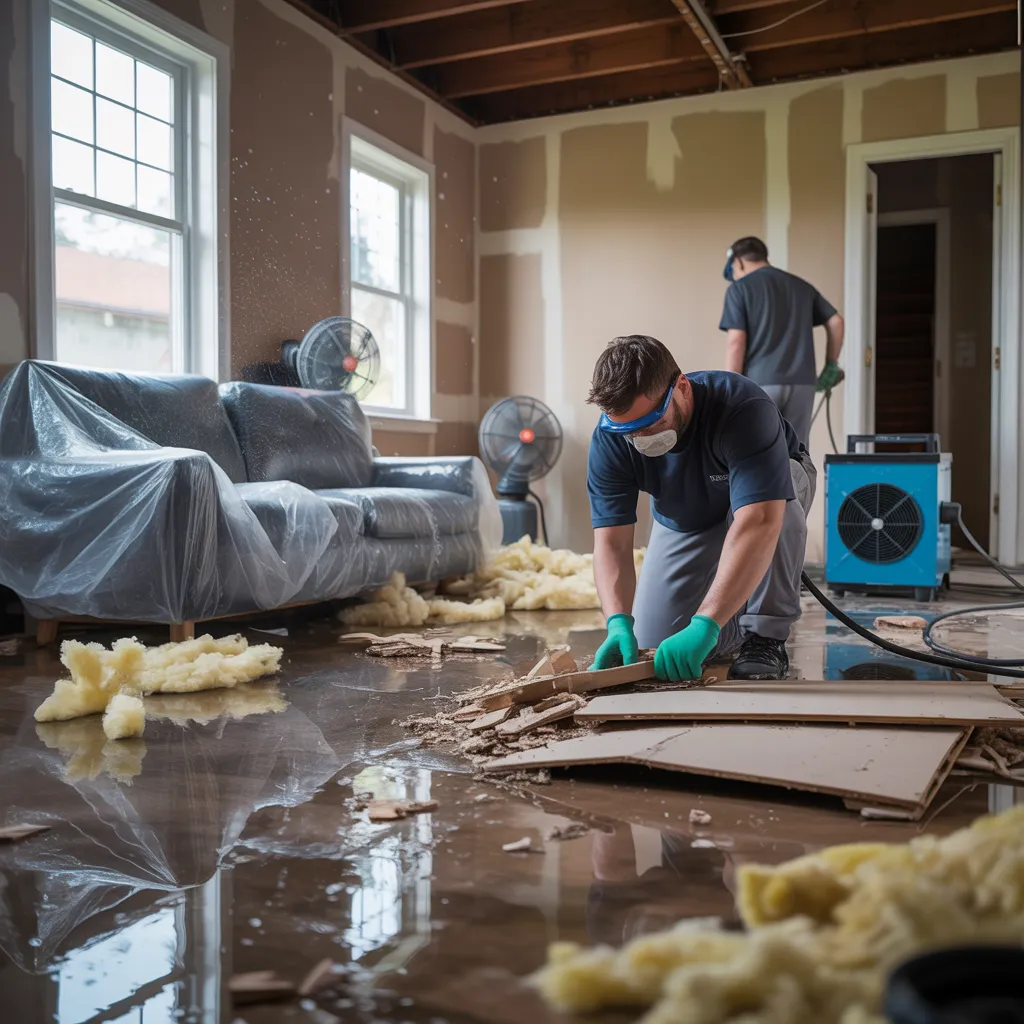
Neglecting water damage can result in serious repercussions, as the situation frequently deteriorates over time. Unaddressed leaks or dampness can cause structural damage, weakening the structure detailed information of walls, ceilings, and foundations. Mold proliferation represents an additional major hazard; it thrives in damp environments and can pose serious health hazards, such as breathing difficulties and allergic responses. Additionally, water damage can diminish property value, rendering it less appealing to prospective buyers or tenants. The further the damage is left unattended, the greater the repair costs become, resulting in possible financial burden for property owners. Electrical hazards can also arise, heightening the danger of fires resulting from short circuits. In the end, ignoring water damage not only threatens the physical building but also puts at risk the well-being of its residents and the monetary investment in the property. Recognizing these risks is essential for prompt action and effective management of water-related issues.
Why Water Damage Restoration Matters for Safeguarding Your Property
Water damage restoration is vital in preserving properties against ongoing deterioration. When water enters a structure, it can lead to structural issues, mold growth, and a decline in property value. Timely restoration helps mitigate these risks by eliminating excess water and resolving damage quickly.
Failure to act can lead to extensive repairs and increased costs. Additionally, the presence of water can damage electrical infrastructure and pose health risks to those within the property. Expert restoration teams employ state-of-the-art equipment and procedures to provide comprehensive drying and disinfection, which are vital for keeping the space safe and habitable.
Additionally, successful restoration efforts can copyright the integrity of the property, protecting the investment made by the owner. Through prioritizing water damage restoration, homeowners not only improve the durability of their buildings but also contribute to the overall safety and well-being of their living spaces.
How Professionals Assess and Address Water Damage
After acknowledging the critical nature of prompt water damage restoration, comprehending how trained professionals assess and tackle the situation proves vital. At the outset, trained specialists undertake a meticulous evaluation to gauge the full extent of the damage. These professionals use moisture meters and thermal imaging to locate hidden water accumulations within walls and floors, guaranteeing that no affected area is missed.
When the inspection has been completed, experts identify the water damage by its type: clean water, gray water, or black water. This categorization determines the proper restoration approach. Following this, they create a comprehensive restoration plan, establishing a course of action for water extraction, drying, and disinfecting impacted spaces.
Throughout the process, specialists emphasize safety at every stage, utilizing proper safety gear and maintaining adequate ventilation. Through the use of specialized methods and complying with professional industry standards, they effectively mitigate further damage and mold growth, protecting the building and those within it. Therefore, a systematic approach is vital for effective water damage restoration.
Why Advanced Equipment Matters in Restoration
Utilizing cutting-edge technology is vital in the water damage remediation process, as it boosts the productivity and impact of restoration efforts. Industrial-grade pumps and dehumidifiers facilitate fast water extraction and moisture removal, lowering the risk of additional damage. Thermal cameras permit experts to identify concealed moisture, ensuring a complete inspection and remediation. These instruments also facilitate careful measurement of humidity and temperature, essential for proper drying conditions.
Additionally, advanced cleaning solutions and antimicrobial applications, applied using sophisticated delivery systems, guarantee comprehensive sanitization of damaged regions. Utilizing this specialized technology not only speeds up the recovery process but also minimizes the potential for structural damage and health hazards. Investing in state-of-the-art technology enables skilled technicians to achieve exceptional outcomes, preserving structures and defending the property owner's financial interest. Therefore, sophisticated tools are essential in delivering effective water damage recovery and restoration results.
How Acting Quickly Prevents Mold Growth
Immediate response following water damage is essential in stopping mold growth, a typical outcome of extended exposure to moisture. When water infiltrates a structure, it generates an environment ideal for mold spores, which can begin to proliferate within the first 24 to 48 hours. The speed at which the water is extracted and the space is dried greatly influences the chance of mold growth.
Skilled restoration professionals utilize specialized equipment and techniques to speed up this operation, ensuring that moisture levels are reduced swiftly. This swift intervention not only minimizes the health dangers connected to mold development but also preserves the structural soundness of the property. Waiting too long permits mold to spread, leading to extensive damage and costly remediation efforts. By prioritizing timely intervention, homeowners can protect their assets and preserve a healthy living space.
Essential Tips for Selecting a Restoration Company
How do property owners ensure they select the appropriate restoration company? To begin, they should conduct thorough research on potential companies. Checking for certifications, such as those from the Institute of Inspection, Cleaning and Restoration Certification (IICRC), indicates professional expertise. Examining online reviews and client testimonials can shed light on the company's trustworthiness and standard of service.
Additionally, property owners should seek thorough bids from several contractors. This enables an opportunity to evaluate costs, services, and timelines, guaranteeing clarity. Moreover, one must ensure that the company has appropriate insurance protection, safeguarding both the property owner and the workers.
In addition, evaluating the firm's response speed is essential; quick action can reduce the extent of damage. Lastly, a reputable provider should provide a transparent warranty on their repairs, showing confidence in their services. By applying these principles, homeowners can make informed choices and secure their assets efficiently.
Safeguarding Your Valuables With Skilled Help
Once they have chosen a qualified restoration firm, property owners face the important task of protecting their personal property from water damage. Professionals in water damage restoration use specialized techniques and equipment to assess the extent of damage quickly. They use advanced water extraction tools to extract surplus moisture, preventing further harm to personal possessions.
Restoration experts recognize the different materials of various belongings, from clothing to electrical equipment, and apply tailored methods for each category. To illustrate, vital documents may be treated with freeze-drying techniques, while household furniture may undergo intensive cleaning or restoration treatments.
In addition, experienced specialists can uncover concealed moisture that could contribute to mold development, providing comprehensive protection for precious belongings. Through the expertise of skilled restoration professionals, property owners can improve the chances of preserving irreplaceable possessions, maintaining not only their financial value but also their sentimental significance. In the end, professional help proves critical in reducing losses and returning peace of mind.
Common Questions and Answers
What Are the Best Ways to Prevent Water Damage in My Home?
To avoid water damage in a residence, regular maintenance of plumbing systems, proper sealing of windows and doors, installation of sump pumps, and timely attention to leaks can significantly lower the risk of water-related problems.
What Are Common Signs of Hidden Water Damage?
Common signs of hidden water damage include unexpected mold formation, moisture stains on walls or ceilings, flaking paint, distorted flooring, and stale musty smells. Prompt identification is critical to avoiding additional structural deterioration and expensive repairs.
Will My Insurance Plan Cover the Costs of Water Damage Restoration?
Water damage restoration insurance coverage varies depending on the policy. Generally, a standard homeowners insurance policy covers sudden and accidental damage, though coverage exclusions may exist for neglect or slowly developing issues. Carefully reviewing the policy details is important to gain clarity.
How Long Does the Restoration Process Typically Take?
The restoration process typically takes between a few days and several weeks, based on how extensive the water damage is, how large the affected area is, and how effectively the restoration team responds.
Can I Stay in My Home During Restoration Work?
Staying in a home during restoration work is generally not recommended. Risks such as mold exposure, dust, and loud equipment can create unsafe conditions. Residents should explore temporary relocation options to ensure their safety and well-being during the restoration work.